
B1
Counterbalance forklift · up to 5 tonnes
The familiar forklift with front-mounted forks and a rear counterweight. Used for loading vehicles, transporting pallets and stacking goods in warehouses, factories and yards.
View course details →
MHE4U · MACHINE & COURSE GUIDE
From pallet trucks to cranes, explore what each machine does, where it is used and the training available for it.
Find on-site forklift training by county and area →
Compare course options and prepare your workplace enquiry.
38 machines and supporting roles · all on one page
Descriptions help you identify the equipment. Tell us your machine model and the tasks involved so we can confirm the appropriate training.
No matching machines. Try a different name or ask us to identify your equipment.
Loading vehicles, moving pallets and handling heavier materials.
The familiar forklift with front-mounted forks and a rear counterweight. Used for loading vehicles, transporting pallets and stacking goods in warehouses, factories and yards.
View course details →
A larger counterbalance truck for heavier loads such as machinery, packed materials and industrial components. Common in manufacturing, engineering and outdoor handling areas.
View course details →
A heavy-duty forklift for substantial industrial loads. Used in sectors such as steel, ports and heavy manufacturing, where the load and truck size need specialist handling space.
View course details →
Uses a vertical mast to lift and carry loads in outdoor working areas. Its chassis and tyres are designed for suitable site conditions that differ from smooth warehouse floors.
View course details →Moving pallets at floor level or lifting them into storage.

A powered truck for moving pallets at floor level, with the operator walking behind a tiller. Often used in loading areas, shops and warehouses for shorter movements.
View course details →
Carries the operator on a platform or in a driving position while moving pallets at low level. Suits repeated journeys between goods-in, storage and dispatch areas.
View course details →
A walk-behind lift truck with a counterweight and forks at the front. It lifts and stacks loads where a compact truck is useful and support legs would get in the way.
View course details →
Combines powered pallet lifting with a riding position for the operator. Used to move pallets and place them into storage, with less walking on repeated trips.
View course details →
A walk-behind truck with a mast that lifts pallets into storage or onto a working level. Useful in stockrooms and smaller warehouses where space is limited.
View course details →
Uses support legs that sit either side of a load while the forks lift it. Often chosen for pallet handling where the load or pallet design needs wider support-leg clearance.
View course details →
A walk-behind truck whose mast or forks reach forward to collect and place a pallet. The reach mechanism helps position loads in storage without driving the whole truck underneath them.
View course details →
A hand-operated pallet truck for lifting a pallet just clear of the floor and moving it a short distance. Common in shops, delivery areas and smaller storage operations.
View course details →
Raises pallets using a manually operated lifting mechanism. Used for occasional stacking, loading or positioning tasks where a powered stacker may not be needed.
View course details →
A manually operated lifting truck with legs positioned around the load. Used for occasional pallet lifting and positioning where the pallet and support-leg arrangement suit the task.
View course details →Storing pallets and collecting orders in warehouse aisles.

Uses a reaching mast or fork carriage to place pallets into warehouse racking. The load draws back towards the truck for travel, helping it work in tighter aisles than many counterbalance trucks.
View course details →
Handles pallet storage in higher warehouse racking. It performs the same reaching and stacking job as a lower-lift reach truck, with greater emphasis on positioning loads at height.
View course details →
A reach truck with a standing operator position. Used for repeated pallet movements and racking work in warehouses where the driving layout suits frequent direction changes.
View course details →
Helps the operator collect individual items from stock locations to build a customer order. Used for case picking and replenishment at lower storage levels.
View course details →
Raises the operator with the picking platform to reach goods higher in the racking. It is designed for selecting individual items, rather than simply moving complete pallets.
View course details →
Works in very narrow racking aisles and raises the operator with the cab. This gives the operator a closer view of the pallet or picking position at height.
View course details →
Places and retrieves pallets in very narrow racking aisles while the operator remains at ground level. The lifting head positions the load within the storage aisle.
View course details →
An articulated truck whose front section pivots to position a pallet into racking. Often known by names such as Flexi or Bendi, it combines pallet transport with narrow-aisle stacking.
View course details →
A walk-behind truck with a pivoting arrangement for manoeuvring pallets in restricted spaces. Used where tight storage layouts call for a different approach from a conventional stacker.
View course details →Moving timber, steel, pipe and other lengthy materials.

Lifts from the side and carries a long load along its deck. Suits timber, pipe, steel and other lengthy materials that are awkward to move on the front of a conventional forklift.
View course details →
A higher-capacity side loader for heavier bundles of long material. Common in timber yards, steel stockholding and production areas where loads are carried lengthways.
View course details →
Can change its direction of travel to carry long loads through confined spaces. Useful for moving timber, steel sections and other lengthy materials between yards and storage aisles.
View course details →Reaching, towing and moving loads in larger working areas.

Pulls one or more trailers to move materials between work areas. Often used for factory supply routes, distribution sites and other operations with regular internal transport runs.
View course details →
Uses a telescopic boom to lift and reach forward with a load. Commonly used to place palletised materials around construction, agricultural and industrial sites.
View course details →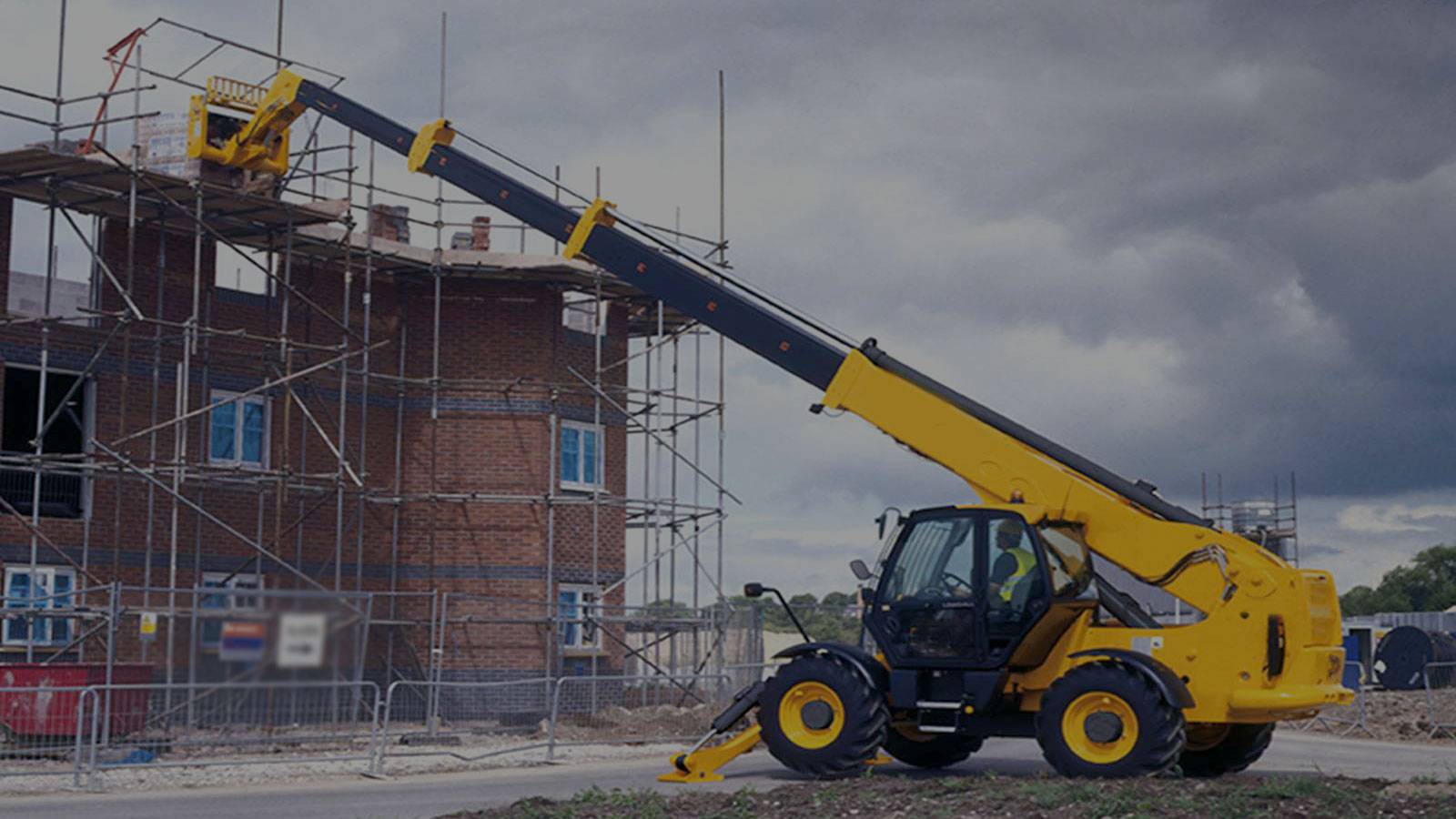
A higher-reaching telescopic handler for placing materials at greater heights or distances. Used where a conventional forklift cannot reach the required unloading or placement position.
View course details →Positioning people for maintenance and installation work at height.

Raises a work platform vertically to reach overhead jobs. Commonly used for lighting, maintenance and installation work where the platform can sit below the task.
View course details →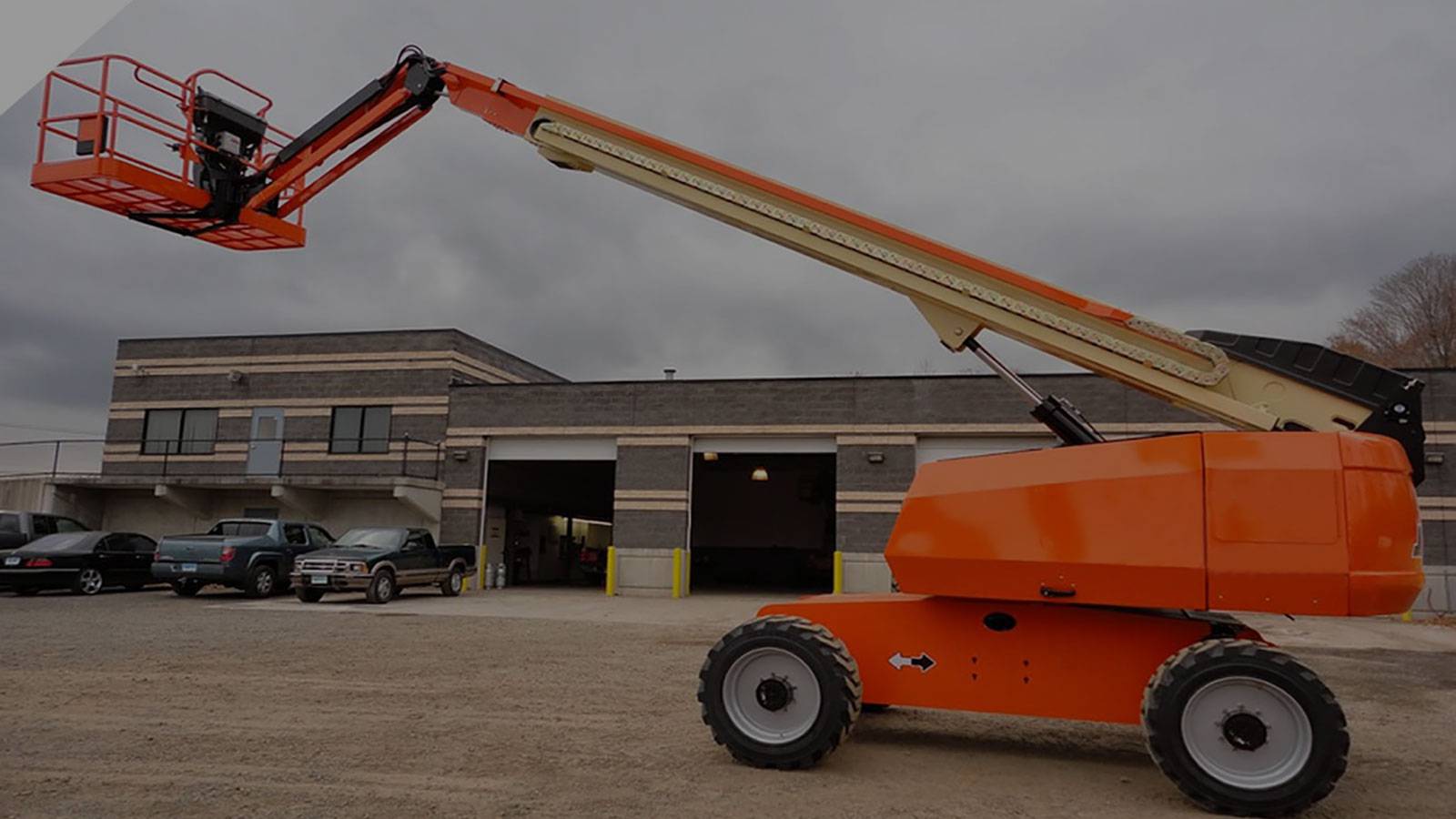
Uses an extending or articulated boom to position a work platform above and beyond obstacles. Useful for building maintenance, installation and access work that needs horizontal reach.
View course details →Lifting suspended loads and coordinating lifting or vehicle movements.

Raises and lowers a suspended load using a chain or wire rope. Common in workshops and production areas for moving components during assembly, repair or maintenance.
View course details →
Moves suspended loads through a workshop or production bay using an overhead travelling crane. The operator controls the movements from a pendant connected to the equipment.
View course details →
Carries out overhead lifting using a wireless remote control. Commonly used to move large components, stock or assemblies across a factory or engineering workshop.
View course details →
Uses a projecting arm to lift and position loads within a local working area. Often serves a machine station, loading position or assembly bench rather than a whole building.
View course details →
Uses a vehicle-mounted crane to load, unload and position materials. Often called a HIAB, it is widely used for deliveries of building materials, machinery and other equipment.
View course details →
A people-and-vehicle coordination role, rather than a machine type. A banksman helps guide vehicle movements using agreed signals and communication in yards and other working areas.
View course details →
Prepares and attaches loads to lifting equipment and communicates with the crane operator. This supporting role is used in lifting operations where the load must be connected and directed.
View course details →